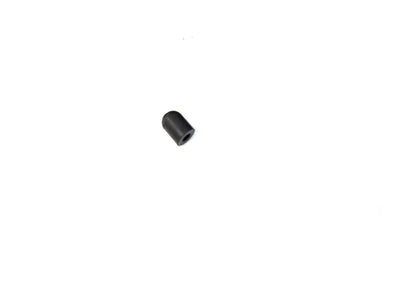
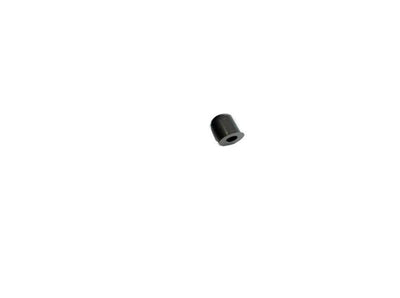
Quick answer: a sink grid (sink grate or sink rack) rests on small rubber feet that push onto the ends or crossbars of the grid wire. When those feet harden, split or fall off, the bare wire scratches the sink and rattles. Count the contact points, measure the wire diameter with calipers, and push on replacement sink grid rubber feet, or rubber end caps whose inside diameter matches the wire. A tight fit, a clean dry wire and a drop of adhesive for stubborn feet keep them in place.
A stainless sink grid protects the bottom of the sink from pots and dropped dishes. But the grid only protects the sink while its feet are intact. One missing foot is enough to leave rust-coloured marks on stainless steel or grey scuffs on a porcelain or composite basin. Replacing the feet is a simple job that keeps an otherwise good grid in use.
Signs your sink grid feet need replacing
- The grid rattles or rocks when you set down a pot
- Scratches or grey marks on the sink floor that follow the grid pattern
- Feet that are hard, cracked or sticky, or have slid along the wire
- Bare wire ends where feet used to be
Hot water, detergents and constant moisture slowly age rubber. Feet near the drain, where water pools, usually fail first.
How to measure for replacement sink grid feet
- Flip the grid over and count the places where it touches the sink. Most grids sit on four to eight feet, sometimes more on large single-bowl grids.
- Note the type of contact point. Feet usually sit either on the end of a wire (the foot slips over the cut end like a cap) or on a crossbar or loop (the foot clips or pushes over the wire).
- Measure the wire diameter with calipers at the point where the foot sits. Remove any remaining rubber first so you measure bare wire.
- Check the clearance. Note how high the old feet held the grid off the sink, so the new ones keep the grid level and clear of the drain.
Choosing the right replacement
| Option | When to use it |
|---|---|
| Sink grid replacement rubber feet | Push-on feet made for standard sink grid wire. The first choice for most stainless grids and sink racks. |
| 5/32" ID rubber cap tips | Push-on end caps for wire ends about 5/32" in diameter. 7/16" inside depth for a secure grip. |
| 7/32" ID rubber cap tips | For thicker wire ends, about 7/32" in diameter. |
The rule for end caps is simple: the cap's inside diameter should match the outside diameter of the wire. A cap that is slightly snug grips best. One that is loose will slide off when you lift the grid. See all sizes in rubber cap tips for pipes, rods and shaft ends.
How to fit new sink grid feet
- Remove old feet and residue. Peel or cut off the old rubber. Scrub the wire with a non-scratch pad to remove soap film and mineral deposits.
- Dry the wire completely. Rubber grips dry metal much better than wet metal.
- Push the foot on by hand. Twist it gently as you push to work it over the wire end or crossbar until it's fully seated.
- Use warm water for a stiff fit. Soak the feet in hot tap water for a minute first. Warm rubber is more pliable and slides on more easily, then grips tightly as it cools.
- Add adhesive if feet keep slipping. A small drop of a waterproof adhesive suitable for rubber and metal inside the cap gives a semi-permanent hold. Let it cure fully before using the grid.
- Check that the grid sits level and that all feet touch the sink. Swap a foot to a different position if one corner rocks.
Keeping the feet (and your sink) in good shape
- Lift the grid out every week or two and rinse underneath. Trapped grit under the feet is what scratches a sink.
- Avoid soaking the grid in harsh solvent cleaners, which shorten the life of any rubber part.
- Replace all the feet at once if several are failing. New and old feet at different heights make the grid rock.
Other places these feet and caps work
Small push-on rubber feet and caps also fix dish racks, oven and toaster-oven racks that sit on counters, wire shelving, plant stands, wire baskets and chair or stool rungs. For larger furniture and appliances, browse all rubber feet, including cutting board rubber feet for boards that slide on the counter.
FAQ
How many feet does a sink grid need?
One per contact point. Most grids have four to eight. Count them on the underside before you order, and get a couple of spares.
Why do sink grid feet fall off?
The rubber hardens and loosens with age, heat and detergent, and a wet or greasy wire gives little grip. Clean, dry wire and a snug foot solve most cases. A dab of waterproof adhesive fixes the rest.
Can I use these feet on a sink grid from any brand?
They are made to push onto standard sink grid wire. Measure your wire and compare it with the cap sizes above to confirm the fit.
Will rubber feet stop my sink from scratching?
Yes, as long as every contact point has an intact foot and you rinse grit from under the grid now and then.